Canton Moves to Ban Crypto Mining & Data Centers in North Carolina
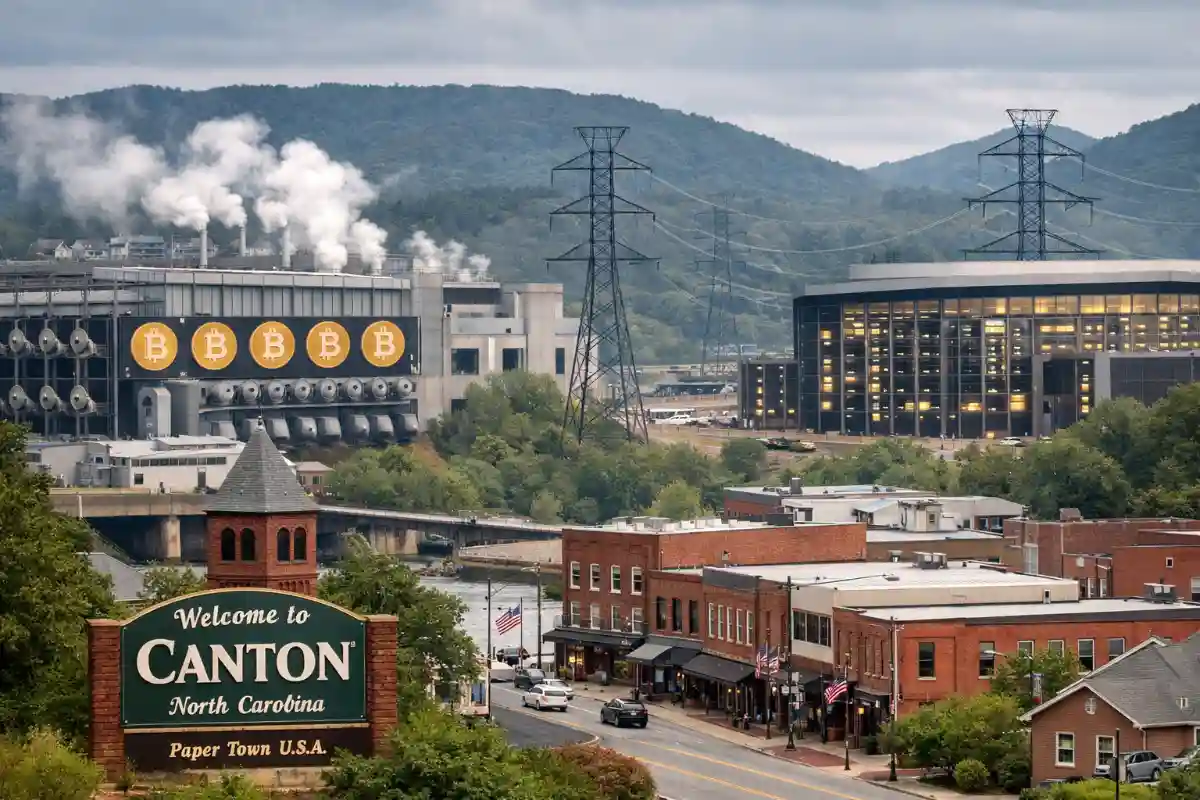
In a significant development for the cryptocurrency sector, the town of Canton in North Carolina is advancing plans to impose a moratorium on cryptocurrency mining operations and data centers. This move reflects broader concerns over energy consumption, environmental impact, and community well-being, as local leaders respond to inquiries from tech companies eyeing the area’s former industrial sites.
The Proposal Takes Shape
The Canton Town Board recently approved a resolution to schedule a public hearing on February 11, 2026, to discuss a proposed temporary ban on data centers, server farms, and crypto mining facilities. This step comes after multiple companies expressed interest in redeveloping the site of the former paper mill, which shuttered in 2023, resulting in over 1,000 job losses and a substantial hit to the town’s tax revenue.
Mayor Zeb Smathers has emphasized that the moratorium would provide time for the community to gather input and craft appropriate zoning ordinances. This approach aims to balance potential economic opportunities with the need to protect residents’ quality of life.
Driving Factors: Energy and Environmental Concerns
At the heart of Canton’s decision are worries about the immense energy demands of crypto mining and data centers. Globally, cryptocurrency mining is projected to consume around 160 terawatt-hours (TWh) of electricity by 2026, marking a 30% increase from current levels. In the United States alone, crypto operations account for between 0.6% and 2.3% of national electricity usage.
Bitcoin mining, a key segment of the industry, already uses approximately 0.5% of the world’s total energy—more than seven times the amount consumed by Google’s global operations. While the sector has made strides toward sustainability, with over 52% of Bitcoin mining powered by renewable sources, the sheer scale of consumption raises alarms for small towns like Canton, where infrastructure may struggle to keep up.
Local residents and officials are also concerned about noise pollution, water usage, and the preservation of the area’s rural character, echoing sentiments in nearby counties such as Haywood, Cherokee, and Jackson, which have pursued similar restrictions.
Community Impact and Economic Considerations
The closure of the paper mill left a void in Canton’s economy, prompting interest from tech firms. However, leaders are cautious, prioritizing developments that align with community values over quick fixes. The public hearing will allow residents to voice opinions on whether such facilities could bring jobs without overwhelming local resources.
This deliberation highlights a tension in post-industrial towns: the allure of high-tech investments versus the risks of straining power grids and increasing utility costs for everyday households.
Broader Implications for the Crypto Industry
Canton’s actions are part of a wider trend across the U.S., where municipalities are tightening regulations on energy-intensive industries. For instance, a township in Michigan’s Upper Peninsula is drafting similar bans, citing concerns over power demands and environmental effects.
As data centers and AI applications are expected to double global energy consumption to over 1,000 TWh by 2026, the crypto sector may face increasing scrutiny. This could push miners toward more sustainable practices or relocation to energy-abundant regions, potentially reshaping the landscape of digital asset production.
With the hearing approaching, all eyes are on Canton as it navigates this pivotal decision, balancing innovation with sustainability in the evolving world of cryptocurrency.
In a significant development for the cryptocurrency sector, the town of Canton in North Carolina is advancing plans to impose a moratorium on cryptocurrency mining operations and data centers. This move reflects broader concerns over energy consumption, environmental impact, and community well-being, as local leaders respond to inquiries from tech companies eyeing the area’s former industrial sites.
The Proposal Takes Shape
The Canton Town Board recently approved a resolution to schedule a public hearing on February 11, 2026, to discuss a proposed temporary ban on data centers, server farms, and crypto mining facilities. This step comes after multiple companies expressed interest in redeveloping the site of the former paper mill, which shuttered in 2023, resulting in over 1,000 job losses and a substantial hit to the town’s tax revenue.
Mayor Zeb Smathers has emphasized that the moratorium would provide time for the community to gather input and craft appropriate zoning ordinances. This approach aims to balance potential economic opportunities with the need to protect residents’ quality of life.
Driving Factors: Energy and Environmental Concerns
At the heart of Canton’s decision are worries about the immense energy demands of crypto mining and data centers. Globally, cryptocurrency mining is projected to consume around 160 terawatt-hours (TWh) of electricity by 2026, marking a 30% increase from current levels. In the United States alone, crypto operations account for between 0.6% and 2.3% of national electricity usage.
Bitcoin mining, a key segment of the industry, already uses approximately 0.5% of the world’s total energy—more than seven times the amount consumed by Google’s global operations. While the sector has made strides toward sustainability, with over 52% of Bitcoin mining powered by renewable sources, the sheer scale of consumption raises alarms for small towns like Canton, where infrastructure may struggle to keep up.
Local residents and officials are also concerned about noise pollution, water usage, and the preservation of the area’s rural character, echoing sentiments in nearby counties such as Haywood, Cherokee, and Jackson, which have pursued similar restrictions.
Community Impact and Economic Considerations
The closure of the paper mill left a void in Canton’s economy, prompting interest from tech firms. However, leaders are cautious, prioritizing developments that align with community values over quick fixes. The public hearing will allow residents to voice opinions on whether such facilities could bring jobs without overwhelming local resources.
This deliberation highlights a tension in post-industrial towns: the allure of high-tech investments versus the risks of straining power grids and increasing utility costs for everyday households.
Broader Implications for the Crypto Industry
Canton’s actions are part of a wider trend across the U.S., where municipalities are tightening regulations on energy-intensive industries. For instance, a township in Michigan’s Upper Peninsula is drafting similar bans, citing concerns over power demands and environmental effects.
As data centers and AI applications are expected to double global energy consumption to over 1,000 TWh by 2026, the crypto sector may face increasing scrutiny. This could push miners toward more sustainable practices or relocation to energy-abundant regions, potentially reshaping the landscape of digital asset production.
With the hearing approaching, all eyes are on Canton as it navigates this pivotal decision, balancing innovation with sustainability in the evolving world of cryptocurrency.